Garden Clearance in Waltham Forest

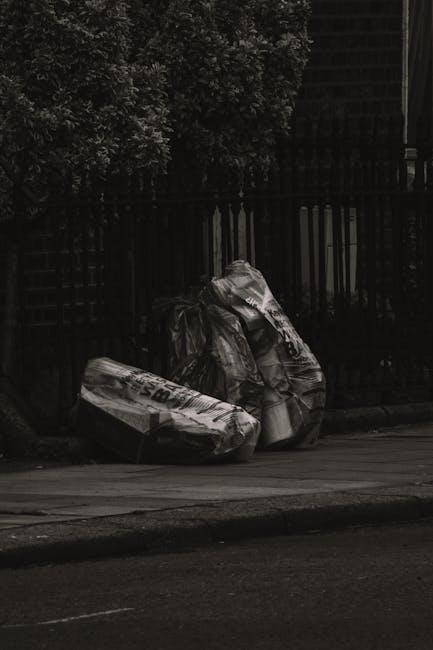
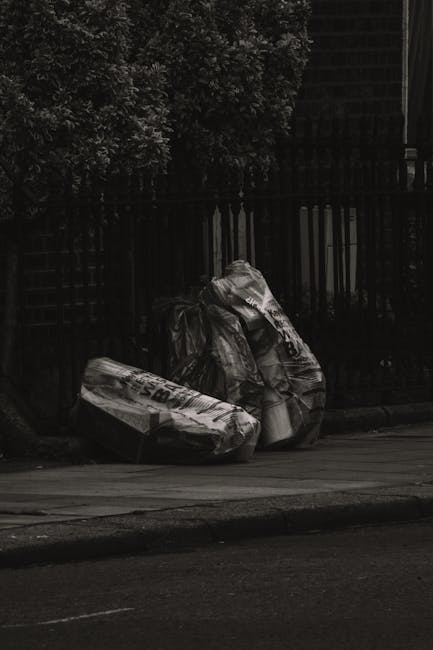
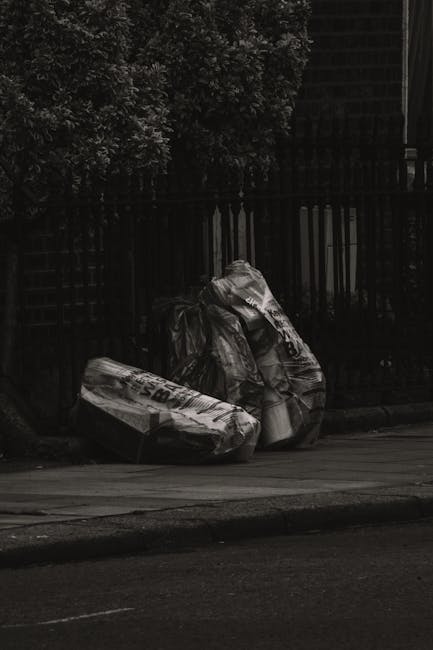
We provide garden clearance in Waltham Forest for households and landlords who need outdoor spaces cleared, tidied and made easier to use again. Our work covers the removal of general green waste, old garden items and mixed outdoor clutter, with the focus on practical clearance rather than cosmetic landscaping. If a border has become overgrown, a shed area has filled with broken items, or a rear garden needs an organised clear-out before further work, we can help with a straightforward service built around the contents present on site.
The job often involves more than simply loading bags. We handle a mix of light materials, awkward bulky items and organic waste that has built up over time. Our garden clearance service can be useful after pruning, seasonal tidy-ups, tenancy changes or general outside decluttering. Where items are suitable for reuse or recycling, they are separated where possible; where they are not, they are removed for responsible disposal in line with the type of waste involved.
Different gardens create different clearance tasks. Some require a simple removal of branches and cuttings, while others include broken planters, old timber, plant pots, fencing offcuts or dismantled outdoor furniture. If you want to clear the space in one visit, we can discuss the contents and the access available, then put together a practical plan. Use the pages below to learn more about the related services and arrange a quotation request when you are ready.
Garden waste and outdoor clutter removal
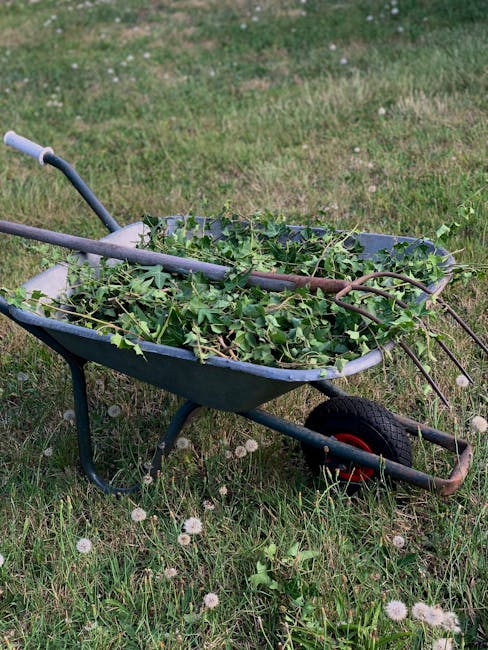
Garden clearance is usually most effective when the waste is assessed by type rather than by the overall size of the space. Green waste such as grass cuttings, hedge trimmings, branches, leaves and weeds can often be handled separately from harder items like broken trays, cracked pots, rusted metal frames or damaged outdoor tools. That separation helps keep the job orderly and makes it easier to manage the different disposal streams that may be involved.
Where a garden has accumulated mixed items, we can clear the obvious waste first and then work through the remaining contents in a logical order. This is especially helpful when access is narrow or the garden has multiple sections. We can also remove garden-related rubbish from side returns, paved courtyards and front areas when they form part of the overall clearance. For customers comparing options, the service links below give a clearer picture of the different clearance types we handle.
Related clearance services for homes and outdoor spaces

Some enquiries combine garden clearance with indoor or attached-space clearance, particularly where a property needs several areas tackled together. In those cases, related pages can help you match the service to the contents that need moving. If the job includes general household items as well as outside waste, our home clearance page explains the broader residential option. Where the main task is a larger property clear-out rather than a garden-only job, house clearance is often the better fit.
For spaces that hold stored items rather than garden waste alone, the strongest match may be a loft, garage or furniture-based service. The loft clearance and garage clearance pages are useful if you are dealing with mixed stored contents, while furniture clearance and furniture disposal suit unwanted bulky pieces that need removing. If the clearance forms part of a wider commercial or rental job, business waste removal and office clearance can be relevant alternatives.
When you are comparing services, it helps to think about what needs clearing and how much of it is recyclable, reusable or simply waste. Choose the page that best matches the main items, then build from there if the job also includes green waste or outdoor debris. If you are not sure which service is most suitable, the pricing and service pages below can help narrow the choice before you request a quote.
What can be included in a garden clearance
Garden clearance can cover a wide range of items, provided they are legal to remove and accessible for collection. Typical contents include prunings, branches, leaves, cut flowers, turf offcuts, weeds, old compost, damaged plant containers, broken garden ornaments, collapsed canes, untreated timber and general outdoor rubbish. In many jobs, the main challenge is the variety of material rather than the volume alone, so an organised approach makes the work more efficient.
It is also common for clearances to involve items that have been left outdoors for a long time. These can include faded furniture, damaged children’s play equipment, rotting planters, water butts, cracked paving offcuts, bent trellis and disused storage boxes. Some pieces may be light but bulky, while others are heavier and need careful handling. If the garden contains mixed items, we can sort the removal process so that reusable or recyclable material is separated where possible.
A practical clearance usually starts with the obvious waste, then moves to larger items and awkward corners. This makes it easier to see what remains and prevents smaller material from being missed under bulkier objects. Where there are thorny plants, muddy paths or limited access, we take a measured approach rather than rushing the removal. The aim is to leave the area ready for whatever comes next, whether that is planting, maintenance or a fuller tidy-up.
Planning access, volume and the right quotation
Clearance costs are shaped by the amount of material, the type of waste, the ease of access and whether anything needs dismantling before removal. A pile of branches in an open drive is a different task from a full garden with wet soil, mixed rubbish and furniture tucked behind fencing or sheds. If the contents are varied, it helps to describe the main categories rather than simply estimating the size of the pile, because the make-up of the waste matters as much as its footprint.
Useful details for a quotation can include the main items present, where they are located, whether the garden has side access, and whether anything is unusually heavy or awkward. Photos can be helpful when they show the full spread of the job, but a written description still matters because it explains the parts that are not visible at first glance. If there are steps, narrow gates or limited parking nearby, mentioning that early can make the quotation more accurate and practical.
Two simple steps often help the process run smoothly: first, note what stays and what goes; second, gather any access details that affect loading. That is usually enough to start a useful conversation about the work. If you already know the garden contains a mix of green waste and bulky outdoor items, say so clearly, as that helps us match the clearance method to the job.
Pricing and what affects the job

Garden clearance pricing is usually influenced by the total volume of waste, the kind of material being removed and the time needed to load it safely. Organic waste, mixed rubbish and bulky outdoor items can each require different handling, so a clear list of contents is helpful. The condition of the garden also matters: a clear path to the waste is simpler to work with than an area packed tightly behind furniture, panels or overgrown planting.
There may also be practical differences between a straightforward green waste collection and a broader clearance that includes broken outdoor items, fencing offcuts or dismantled structures. Where a job needs sorting before loading, the time involved is likely to be different from a simple pile of cuttings. That is one reason why a good quotation should reflect the actual mix of materials rather than just the size of the area.
If you are arranging a larger clear-out, it can be sensible to group related items together before the visit, but there is no need to overprepare. What matters most is that the waste to be removed is clearly identified. If the garden is part of a wider property project, the relevant service pages can help you decide whether the work should be handled as a garden-only clearance or as part of a broader home, garage or house job.
How we approach different garden clearance tasks
Not every garden clearance looks the same, so we adapt the approach to the type of site and the contents involved. A tidy rear garden with a few bags of clippings needs a different method from a neglected plot with mixed waste, broken items and spaces that are hard to reach. Our emphasis is on removing the right material in a sensible order, so the work stays organised and the end result is easier to assess.
Where appropriate, we can work around separate areas within the same garden. That may mean dealing with a patio first, then a side passage, then the main lawn or border area. This method is useful when the property has both visible clutter and hidden waste. It also helps to identify any items that should be handled separately because they are better suited to another disposal route or another service page.
In some cases, the most practical task is to remove the outdoor waste before any further work begins. In others, the job is part of a property handover or general house clear-out. Either way, the clearance is guided by the contents and the access rather than by a fixed template. Our goal is to keep the process clear and workable, especially when the garden contains a mixture of organic and non-organic items.
About Waltham Forest
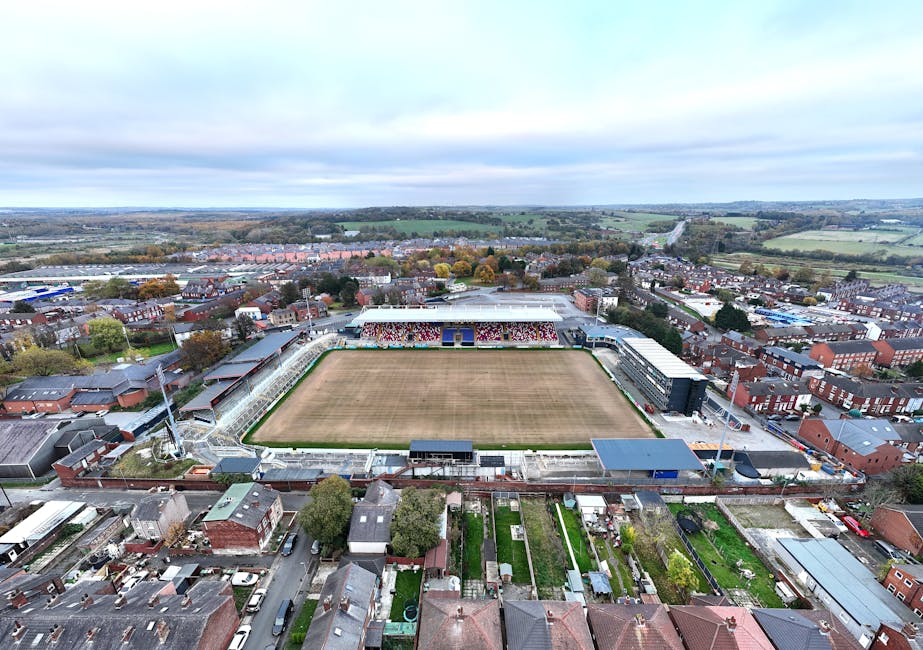
Waltham Forest is a London borough in north-east London, formed in 1965 from the merger of the former boroughs of Walthamstow, Leyton and Chingford. Its name reflects the historic royal forest that once covered a much wider area, and traces of that layered history remain visible in place names, older streets and protected green spaces. The borough stretches from the Lea Valley on its western side to Epping Forest in the east, giving it a varied landscape of dense urban districts, parkland and long-established wooded edges. Walthamstow, the largest and best-known settlement in the borough, grew significantly during the nineteenth and twentieth centuries as railway links and suburban development expanded. Its older centre includes historic buildings, traditional shopping streets and the well-known market on Walthamstow High Street, which has been operating in some form since the late nineteenth century. Leyton and Leytonstone also retain a strong sense of urban history, with terraces, town centres and cultural landmarks that reflect different phases of east London development. Chingford, by contrast, sits closer to the open land and woodland of Epping Forest, making the borough feel geographically diverse rather than uniform. The Lea Valley forms an important natural and industrial corridor, while places such as Lloyd Park, Jubilee Park and the Copper Box area of the Queen Elizabeth Olympic Park fringe the borough’s western boundary. The William Morris Gallery in Walthamstow adds an important cultural reference point, linking the area to arts, design and social history. Together these features create a borough that combines residential neighbourhoods, historic town centres, open space and transport connections across east and north-east London.
Bulky items, mixed materials and disposal choices

Garden jobs sometimes extend beyond green waste into bigger or more awkward items. These may include broken benches, damaged parasols, heavy planters, collapsed storage units, disused sheds in parts, old paving pieces or general bulky rubbish left after a change in use. The clearance method needs to suit the item, especially where weight, shape or sharp edges make moving it less straightforward than carrying bags of cuttings.
Where mixed materials are involved, it is often useful to consider whether some contents belong with another service. For example, a load that is mostly outdoor furniture or domestic clutter may be better matched to a furniture or home clearance page, while a pile of branches and hedge waste remains firmly garden-led. The page you choose should reflect the main work involved, not just the last item that was added to the pile.
We also pay attention to how different materials are grouped for removal. That can make the process cleaner and help avoid unnecessary handling of waste that belongs in a separate stream. If you are preparing a quotation request, simply describe the main categories of item and note anything that looks awkward or unusually large. Clear information leads to a clearer plan, especially when several waste types are present together.
Booking your garden clearance
When you are ready to move ahead, the most useful next step is to send a short description of the clearance and explain what the garden currently contains. If there is a mix of branches, general rubbish and bulky outdoor items, say so directly. That lets us consider the full scope rather than treating the job as a single pile of green waste. A sensible quotation request focuses on the actual contents, access and any handling issues that may affect the work.
It can also help to say whether the clearance is part of a wider project, such as a rental handover, spring tidy-up, or the clearance of a garden that has been used for storage. If there are items you want to keep, separate them before discussing the job so the quote reflects only the waste to be removed. You do not need to overcomplicate the request; a clear outline is usually enough to begin.
If you are comparing related options, the service pages for garden clearance, waste removal and pricing and quotes can help you decide what best suits the job. Request a quotation when you are ready, and we can take the next step from there.
Recycling, disposal and service boundaries
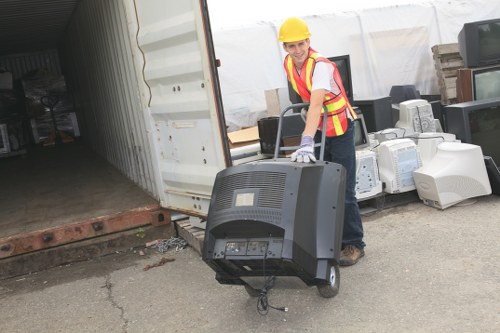
Responsible garden clearance depends on knowing which materials can be diverted from general disposal and which need to be removed as waste. Organic cuttings, branches and similar green waste are handled differently from furniture, plastics, metal pieces or mixed rubbish. Where possible, material is separated so that the right disposal route can be used. This helps keep the service practical and aligned with the type of items being removed.
There are also natural boundaries to what a garden clearance covers. Items that are fixed in place, structural elements that require specialist removal, or materials that demand separate handling may need a different service or additional planning. If the garden contains a structure or item that is not obviously part of routine clearance, it is better to mention it in advance than to assume it can be treated as ordinary waste. That keeps expectations realistic and the quotation relevant.
For customers who want a simple starting point, the most helpful action is to identify the waste that definitely needs to go and the items that may need a separate decision. From there, the work can be shaped around the actual garden rather than a generic description. If you have a mixed outdoor clear-up in Waltham Forest, a clear explanation of the contents will usually lead to the most useful estimate.