Health and Safety Policy for Garden Clearance Waltham Forest
 Purpose and scope: This Health and Safety Policy outlines the commitments and procedures of our garden clearance and rubbish removal services operating in the service area. It applies to all staff, contractors and visitors involved in garden waste removal, garden clearance operations and associated rubbish collection tasks. The policy is designed to protect personnel, members of the public and property during all site activities.
Our objectives are to deliver safe, compliant and reliable garden clearance Waltham Forest services, reduce workplace incidents and ensure consistent management of hazards related to vegetation removal, woody waste, green waste and general rubbish disposal. The policy aligns with accepted industry practice and follows a risk-based approach to site safety.
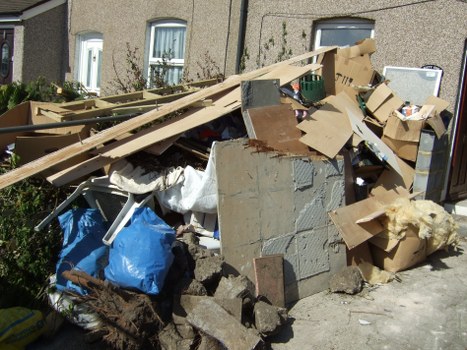
Responsibilities
Management is responsible for providing adequate resources, training and supervision to ensure safe execution of garden rubbish removal operations. Supervisors must:- Conduct risk assessments before work begins and review them when site conditions change.
- Ensure staff have the correct personal protective equipment (PPE) and use it properly.
- Monitor compliance with safety procedures during garden waste clearance, including hazardous materials handling and equipment operation.
Worker duties
Employees and contractors are required to follow safe work methods, report hazards promptly and participate in training. Key responsibilities include maintaining tools and vehicles used for garden clearance, reporting near-misses and using approved lifting techniques for bulk green waste and garden rubbish collection.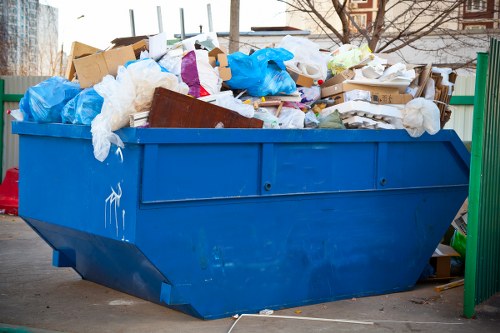 Training and competence: All operatives receive induction training covering manual handling, safe use of chainsaws and shredders where applicable, traffic management for kerbside pickups and proper segregation of waste. Ongoing toolbox talks and refresher courses ensure competence in waste handling, fly-tipping prevention and on-site emergency response.
Equipment and maintenance: Plant and tools are inspected and maintained to manufacturer standards. Items include ride-on mowers (where used for clearance preparation), chipper/shredders, powered saws and hand tools. A documented maintenance log is kept for vehicles and mechanical equipment to reduce mechanical failure risks during garden clearance operations.
Risk assessment and site control: Prior to commencing a garden clearance job, a site-specific risk assessment identifies hazards such as unstable structures, buried services, hazardous waste (asbestos-containing materials, chemical containers), and wildlife. Controls are applied using the hierarchy of controls: elimination, substitution, engineering, administrative controls and PPE.
Traffic and pedestrian safety: Where rubbish collection or green waste removal occurs near public footpaths or roadways, traffic management plans will be implemented. This includes clear signage, physical barriers where necessary and safe ingress/egress points for vehicles. Staff will wear high-visibility clothing and follow safe loading and unloading procedures to protect the public and workers.

Waste segregation and environmental controls
Waste is segregated to minimise environmental impact: recyclable green waste, general garden refuse and any controlled waste are separated onsite. Hazardous items discovered during clearance are dealt with according to regulatory requirements, isolated safely and removed by licensed carriers when necessary. Spill control kits are available on vehicles and operatives are trained in containment measures.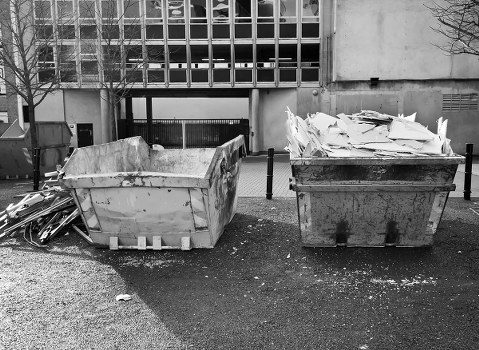 Personal protective equipment (PPE) Workers are provided with appropriate PPE, including but not limited to safety boots, eye protection, gloves suitable for thorn and sharp object handling, hearing protection for powered equipment, and respiratory protection where dust or allergen exposure is likely. PPE standards are reviewed periodically and replaced as required to maintain effectiveness.
Incident reporting and emergency response: All incidents, injuries and near-misses are recorded and investigated to identify root causes and implement corrective actions. Emergency procedures include first aid arrangements, access for emergency services, and procedures for handling serious contamination incidents. First aid kits are maintained on all service vehicles and staff trained in first aid are available on each shift.
Monitoring, review and continual improvement The policy and its implementation are reviewed at regular intervals and after major incidents. Performance indicators include incident rates, training completion, equipment inspection records and waste handling compliance. Management commits to continual improvement through corrective actions, staff feedback mechanisms and periodic audits of garden clearance operations.
Communication and consultation
This Health and Safety Policy is communicated to staff and contractors, and is available on request to relevant stakeholders involved in the supply chain. Safety briefings, toolbox talks and pre-start meetings are used to ensure consistent understanding of the controls required for safe and lawful garden waste removal and rubbish clearance activity.Behavioral safety and welfare Emphasis is placed on safe decision-making, fatigue management, hydration and suitable welfare facilities where work extends across full shifts. Staff are encouraged to raise concerns without fear of reprisal to foster a positive safety culture across all garden clearance and rubbish removal activities.