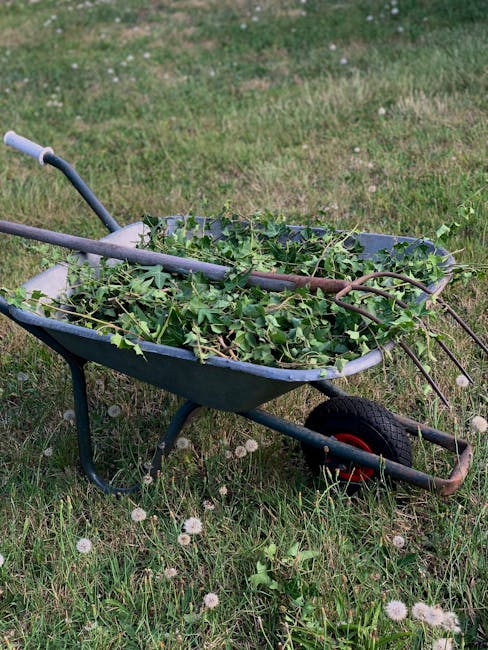
Garden rubbish removal Highams Park Lloyd Park: a practical local guide for a tidier outdoor space
If your garden has reached that awkward point where the compost heap, prunings, old pots, broken fencing and last weekend's hedge trim are all competing for attention, you are not alone. Garden rubbish removal Highams Park Lloyd Park is the straightforward way to get that mess shifted without turning your driveway, front path or back gate into a weekend project. Whether you are clearing up after a big tidy, preparing for new landscaping, or just trying to get the place back under control, a proper removal service can save a lot of time and stress.
In practical terms, this kind of service is about more than "taking away some green waste". It covers a mix of garden debris, bulky outdoor junk, and sometimes awkward bits that do not fit neatly in the bin. In a place like Highams Park, where homes and gardens vary from compact plots to larger family spaces near Lloyd Park, the real value is convenience, safe handling, and a clean finish. Below, you will find a clear guide to how it works, what to expect, and how to make a sensible choice.
Why Garden rubbish removal Highams Park Lloyd Park Matters
Garden waste looks harmless when it is spread out in a few small piles. Then it starts stacking up. A few bags of grass cuttings become a soggy corner of the patio. Trimmed branches lean against the shed. A damaged planter ends up beside the wheelie bins. And suddenly the garden feels smaller, messier, and harder to use.
That is why garden rubbish removal matters. It restores usable space, but it also stops waste from lingering in the garden for weeks. Wet green waste can smell, attract insects, and make paths slippery. Broken timber and rusty metal can create avoidable hazards. If children, pets or older relatives use the space, those little hazards matter more than people often realise. To be fair, most gardens do not go from neat to chaotic in one go; they drift there. That is normal.
For Highams Park and Lloyd Park homes, there is another layer too: space management. Many households in London have limited storage for bulky waste, and not every garden has easy access for moving heavy bags or branches. A service that collects everything in one visit can make a big difference, especially after a weekend clear-out or post-storm tidy.
Expert summary: the real value of garden rubbish removal is not just disposal; it is reclaiming your outdoor space safely, quickly, and without dragging the job out over several days.
If you are also dealing with general household clutter alongside garden waste, it may make sense to look at home clearance or broader waste removal options so everything can be handled in one sweep.
How Garden rubbish removal Highams Park Lloyd Park Works
The process is usually more straightforward than people expect. In most cases, it begins with a description of what needs removing, followed by a quote or estimate, then a collection arranged at a time that suits you. Some jobs are simple: bags of clippings, a few branches, a couple of old plant pots. Others are more involved, like a full seasonal clear-out after hedge cutting, soil movement, or the dismantling of a shed corner that has seen better days.
On the day, the team normally loads the waste, separates reusable or recyclable materials where possible, and leaves the area swept and ready to use. The best services do not just dump and dash. They think about access, handling, and what type of waste is being taken away. That sounds obvious, but you notice the difference when a driveway is narrow or the garden is reached through the house.
Garden rubbish removal often includes:
- grass cuttings and hedge trimmings
- branches, twigs, and pruned shrubs
- leaves, weeds, and general green waste
- old plant pots, broken garden ornaments, and soil-covered debris
- fencing offcuts, timber, and damaged outdoor fixtures
- bulky mixed waste from a garden refresh
Some materials may need special handling. For example, treated timber, rubble, or items mixed with household rubbish are not always treated the same way as pure green waste. A good provider should be clear about that from the start. If you want to understand how this fits into a wider clearance job, the dedicated garden clearance page is useful for the broader service picture.
Key Benefits and Practical Advantages
The biggest benefit is obvious: you get your garden back. But the practical gains run deeper than that. A cleared space is easier to maintain, safer to move through, and far more pleasant to use. On a sunny afternoon, even a small patch of open patio can change how the whole garden feels. You stop stepping around bags and piles. You stop saying, "I'll deal with that next week."
Here are the main advantages people usually notice:
- Time saved: no repeated tip runs, no waiting for a borrowed trailer, no wrestling with tied bags on the bus. That last one is a bad idea anyway.
- Cleaner appearance: the garden looks maintained again, which matters if you are preparing for visitors, a sale, or just want your own space to feel calmer.
- Safer surfaces: fewer trip hazards, fewer sharp edges, less damp waste sitting near walkways.
- Less strain: branches, soil, and heavy sacks are awkward to carry, especially if access is tight.
- Better recycling outcomes: when waste is sorted properly, more of it can be handled in the right stream.
There is also a mental benefit people often underestimate. A cluttered garden can quietly nag at you every time you look outside. Removing the waste tends to remove that little background stress too. Not dramatic, just real.
For jobs that include mixed items beyond the garden, you might also find garage clearance helpful if tools, broken outdoor furniture or storage items have ended up in the same pile.
Who This Is For and When It Makes Sense
Garden rubbish removal is not only for big landscaping projects. In fact, some of the most common jobs are fairly ordinary: a season's worth of hedge cuttings, a garden that got away from you after a wet spell, or a backyard that has become a storage spot for "I'll move that later" items. Truth be told, that happens to almost everyone at some point.
It makes sense for:
- homeowners doing a one-off garden tidy
- landlords preparing a property for new tenants
- busy families who do not have time for repeated trips to a disposal site
- older residents who want the job handled without heavy lifting
- people finishing DIY or landscaping work outdoors
- small businesses or communal property managers needing a neat exterior
It is especially useful after pruning season, after bad weather, or when a garden has been neglected for a while. If your project also includes indoor rooms, lofts, or bulky furniture, then a wider service such as house clearance or furniture clearance may be a smarter fit than splitting everything into separate jobs.
Ask yourself: do you have the bags, the vehicle, the time, and the energy to sort it all properly? If the honest answer is no, that is usually your sign.
Step-by-Step Guidance
If you want to keep the process smooth, a little preparation goes a long way. You do not need to stage the garden like a showroom. Just make it easy to assess and collect. Here is a simple, realistic approach.
- Walk through the garden first. Look at what is actually there. Separate green waste, timber, broken items, and anything that may need special handling.
- Pile similar materials together. Keep branches with branches, bags with bags, and bulky items in one place if possible.
- Check access points. Gate width, side passages, steps, and the distance from the waste pile to the vehicle all affect how quickly the job can be done.
- Flag anything unusual. Soil-heavy bags, treated wood, old paint tins, rubble, or anything sharp should be mentioned before collection.
- Request a clear quote. Good pricing should reflect the amount, type, and ease of removal. If in doubt, ask how the service is assessed.
- Confirm what happens on the day. You want to know whether the team will load from the garden, through the house, or from the front, and whether they will sweep up afterwards.
A tiny bit of planning prevents a lot of back-and-forth. And yes, it really can be that simple.
If you are comparing prices or trying to understand what makes one job cheaper than another, the pricing and quotes page can help frame the conversation before you book.
Expert Tips for Better Results
Over time, a few habits make garden waste jobs easier, cleaner, and usually cheaper. Nothing fancy. Just sensible practice that saves hassle later.
- Keep green waste separate from general rubbish. Mixed loads often take longer to sort, and sometimes cost more.
- Cut long branches down a bit. They stack better and are easier to move. No need to overdo it, just make the pile manageable.
- Bag light material loosely. Overstuffed bags split, and nobody enjoys mending one with twine in the rain.
- Tell the team about narrow access early. A narrow side path or steep steps changes the work plan.
- Book before the waste becomes a hazard. Wet leaves on paving are slippery. Sharp offcuts underfoot are worse.
One small but useful tip: if the garden is being cleared in phases, take a few photographs before each stage. It helps you keep track of what is being removed and what still needs attention. Simple, but effective.
For jobs that include household items stored outdoors, such as chairs, broken tables, or plant stands, a related service like furniture disposal may come into play. That can keep the collection organised rather than mixing everything together and hoping for the best.
Common Mistakes to Avoid
Most garden clearance problems are avoidable. They usually come down to underestimating the amount of waste, forgetting access issues, or assuming everything can be treated the same way. A bit of clarity upfront saves a lot of annoyance later.
- Mixing all waste into one heap. It is convenient at first, but it makes sorting harder and can affect how the load is handled.
- Leaving the booking until the pile is enormous. Bigger, wetter, heavier waste is harder to manage. Wait too long and the job becomes more awkward than it needed to be.
- Not checking for hidden debris. Broken glass, nails, and screws do turn up in old garden clutter. They always seem to hide in the worst place.
- Ignoring access constraints. A collection may look simple from the patio but be much trickier through a narrow hallway or shared entrance.
- Choosing the cheapest option without asking questions. Cheap can be fine. Cheap and vague is less fine.
Another common mistake is assuming garden waste and builders waste are the same thing. They are not always handled the same way. If you have soil, hardcore, broken paving, or demolition debris from outdoor work, you may need a more suitable option such as builders waste clearance.
Tools, Resources and Recommendations
You do not need a shed full of specialist gear to prepare for garden rubbish removal, but a few basic tools make the process smoother. A rake, sturdy gloves, a few strong bags, pruning shears, and a wheelbarrow are often enough for most small to medium tidy-ups. A tarpaulin is handy too, especially if you need to keep branches dry before collection. Wet waste weighs more. A lot more, sometimes.
Useful preparation items include:
- heavy-duty rubble or garden waste bags
- garden gloves with decent grip
- shears or loppers for cutting down bulky branches
- a broom or leaf rake for final sweeping
- tarpaulin for keeping piles together
- labels or simple notes if waste types need separating
On the service side, look for clear communication, sensible time windows, and a straightforward explanation of what is included. A reliable provider should be open about lifting, loading, and site clean-up. If you want to learn more about how the business works and the values behind the service, the about us page gives useful context. For sustainability-minded readers, the recycling and sustainability information is also worth reading.
Law, Compliance, Standards, or Best Practice
Garden waste removal in the UK sits within a wider waste-handling framework, so it is worth taking compliance seriously. You do not need to become a legal expert, but you should expect the provider to manage waste responsibly, transport it properly, and dispose of it through legitimate channels. That is basic best practice, not optional decoration.
From a homeowner's point of view, the practical checks are simple:
- make sure waste is handled safely and not dumped illegally
- separate hazardous or unusual items before collection if you know they are present
- be honest about what is in the pile
- ask how mixed materials are treated
- store waste where it can be collected without damaging paths, fences, or shared areas
There is also a basic duty of care mindset here. In plain English, that means waste should be transferred, moved, and managed responsibly. If a service sounds casual about that, keep looking. You want a team that understands safety, insurance, and the importance of leaving a site tidy. For more detail on those standards, the pages on health and safety policy and insurance and safety are relevant to how a professional service should operate.
For business customers or landlords with recurring waste needs, a broader business waste removal arrangement may be more practical than one-off ad hoc clearances.
Options, Methods, or Comparison Table
There is more than one way to deal with garden rubbish, and the right choice depends on volume, access, time, and whether the load is mixed. A quick comparison usually makes the decision easier.
| Method | Best for | Pros | Limitations |
|---|---|---|---|
| DIY bagging and tip runs | Very small loads and people with a suitable vehicle | Flexible, direct control | Time-consuming, physically demanding, awkward for bulky waste |
| Garden waste collection service | Routine clear-outs, mixed garden debris, busy households | Fast, convenient, less lifting for you | Needs clear access and accurate description of waste |
| Full garden clearance | Overgrown gardens, major tidy-ups, pre-sale preparation | More comprehensive, cleaner finish | Usually more involved than a simple rubbish pickup |
| Combined property clearance | Homes with outdoor and indoor clutter together | Efficient, one booking can solve several problems | Needs planning so items are grouped properly |
In many cases, the best choice is not the cheapest on paper, but the one that gets the job done cleanly and without repeat effort. That sounds obvious, but it is easy to forget when you are staring at a mountain of branches on a Wednesday afternoon.
If your garden job is part of a larger declutter, a wider flat clearance or office clearance may be useful only if those spaces are genuinely involved. Otherwise, keep the job focused. Focus usually wins.
Case Study or Real-World Example
Imagine a small family garden near Lloyd Park after a long wet spell. The hedge has been trimmed, several bags of leaves have piled up, there is an old broken planter by the shed, and two timber offcuts from a half-finished repair are lying across the path. Nothing extreme. Just enough to make the garden feel busy and a bit neglected.
The family could spend the weekend bagging everything, arranging transport, finding a place to take the waste, and then doing it all again if they miss a load. Or they could group the waste, keep green material separate from timber and mixed rubbish, and arrange a collection. The second route usually leaves the garden usable much faster. You get your patio back. The children can play safely. The mower can come out without bumping into debris. Nice and simple, really.
A slightly larger example would be a landlord preparing a rear garden between tenancies. In that case, the waste may include overgrowth, cracked pots, old outdoor furniture, and a few odds and ends left behind by the previous occupant. A coordinated clearance approach avoids multiple contractors and helps present the property properly. If items from inside the home are also involved, the house clearance service can sit alongside the outdoor work quite naturally.
Practical Checklist
Before booking garden rubbish removal, run through this checklist. It keeps the job tidy from the start and saves those awkward "oh, I forgot that bit" moments.
- Have you separated green waste from general rubbish?
- Are there any sharp, heavy, or unusual items in the pile?
- Is access clear through gates, side passages, or shared entrances?
- Have you estimated whether the job is a small pickup or a fuller clearance?
- Do you need branches cut down before collection?
- Are there any items that might also count as furniture, timber, or mixed waste?
- Have you checked whether you want help with sweeping up afterwards?
- Is the booking time convenient, especially if you need to be out or at work?
- Have you asked about payment and what is included?
- Would a broader clearance service be better than dealing with each pile separately?
Keep it calm. Keep it practical. That is usually the best approach.
Get a free quote today and see how much you can save.
Conclusion
Garden rubbish removal Highams Park Lloyd Park is really about making outdoor spaces usable again without adding more work to your week. Whether you are dealing with green cuttings, broken outdoor bits, or a garden that has simply got away from you, the right service can turn a messy corner into a space you actually want to spend time in.
The best results come from a simple mix of clear preparation, honest communication, and a provider that takes waste handling seriously. You do not need to overthink it. Start with what needs removing, separate the obvious material types, and choose the approach that fits your garden rather than forcing a one-size-fits-all plan. That little bit of judgement goes a long way.
And when the last bag is gone and the paving is clear again, there is often a small moment of relief. The garden breathes again. Honestly, that feeling is hard to beat.
Frequently Asked Questions
What counts as garden rubbish removal in Highams Park and Lloyd Park?
It usually includes grass cuttings, hedge trimmings, leaves, branches, weeds, soil-heavy debris, old plant pots, broken garden items, and sometimes timber or mixed outdoor waste. The exact scope depends on the provider and what you need cleared.
Is garden rubbish removal different from garden clearance?
Yes, slightly. Garden rubbish removal often focuses on taking away waste already gathered, while garden clearance can be broader and may include clearing overgrowth, bulky items, and more complete tidying of the space.
Can I mix green waste with broken garden furniture?
Sometimes yes, but it is better to mention it in advance. Mixed loads can affect sorting, disposal method, and price. If the pile contains chairs, tables, or similar items, furniture-related handling may be more appropriate.
Do I need to be present during collection?
That depends on the service and access arrangements. Some collections can happen if the waste is clearly placed and the job has been agreed beforehand, but many people prefer to be there to answer questions and confirm what is going.
How do I prepare the garden before removal?
Separate waste by type if you can, clear access paths, and keep sharp or heavy items visible. A tidy, well-grouped pile is easier and faster to remove. It also tends to reduce confusion on the day.
What happens to the waste after it is collected?
Responsible providers should transport it for proper processing, with recyclable or reusable materials separated where possible. Green waste, timber, and mixed materials may follow different routes depending on what they are and how they are sorted.
Is garden rubbish removal suitable for small jobs?
Absolutely. It is not only for major clear-outs. A few bags of clippings, some branches, or a small pile after pruning can be a perfect use case, especially if you do not want to make several trips yourself.
What should I do if my garden waste includes soil or rubble?
Tell the provider early. Soil, rubble, paving offcuts, and similar materials can fall into a different category from ordinary green waste, so they need to be handled properly. Mixed garden-and-building debris often needs a more specific approach.
How can I get a fair price for the job?
Give an accurate description of the waste volume, type, and access. Clear information usually leads to a clearer quote. If the team can see what they are dealing with, pricing is normally easier to understand.
Is this service useful after landscaping work?
Yes, very much so. Landscaping often leaves behind branches, turf, old edging, empty bags, offcuts, and broken materials. Garden rubbish removal helps finish the job properly so you can enjoy the new space instead of staring at the leftovers.
Can garden waste removal help with overgrown gardens?
It can, especially when the overgrowth has already been cut back and the remaining waste needs clearing. For heavily overgrown spaces, a fuller garden clearance approach may be more practical, since there can be more than simple rubbish to remove.
What is the best time to book garden rubbish removal?
Whenever the waste is becoming awkward to live with. That might be after a weekend tidy, before a property viewing, or straight after bad weather. In general, earlier is easier. Waiting until it becomes a bigger mess usually makes the task less pleasant.