Urgent flytip cleanup and emergency rubbish removal Waltham Forest
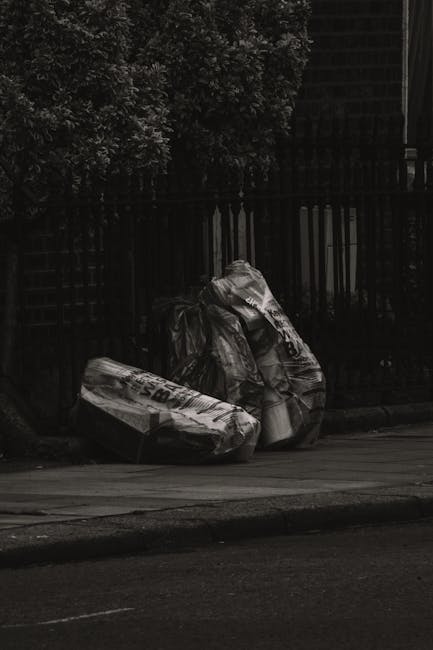
If you have discovered a fly-tip outside your home, by your business, or tucked behind a shared bin area, you usually want one thing first: it gone, and gone quickly. That is exactly where urgent flytip cleanup and emergency rubbish removal in Waltham Forest comes in. When rubbish is dumped overnight, after a move, or following a busy weekend, the mess is more than an eyesore. It can block access, attract pests, create a slipping hazard, and leave everyone feeling fed up before the day has even started.
This guide explains what emergency rubbish removal actually involves, how the process works, what to expect on the day, and how to make a sensible choice when time is tight. We will also cover compliance, common mistakes, and a practical checklist so you are not left guessing. Let's face it, when rubbish is piling up and the clock is ticking, clarity matters.
- Why urgent flytip cleanup matters
- How emergency rubbish removal works
- Key benefits and practical advantages
- Who this is for and when it makes sense
- Step-by-step guidance
- Expert tips for better results
- Common mistakes to avoid
- Tools, resources and recommendations
- Law, compliance, standards and best practice
- Options, methods and comparison table
- Case study or real-world example
- Practical checklist
- Conclusion
- Frequently asked questions
Why Urgent flytip cleanup and emergency rubbish removal Waltham Forest Matters
Fly-tipping is rarely just "a bit of rubbish." In real life, it often means broken bags, sharp items, old furniture, building debris, or mixed waste left somewhere it should never have been. In Waltham Forest, as in any busy London borough, that can quickly become a problem for residents, landlords, shopfronts, managing agents, and construction teams alike.
There is the obvious visual impact, of course. A pile of dumped waste can make a street feel neglected in a matter of hours. But the bigger issue is what it can lead to. Cardboard and food waste can attract vermin. Glass, metal, and splintered timber can injure people or pets. If access routes are blocked, the mess may interfere with deliveries, waste collections, or emergency exits. For communal blocks and commercial premises, that can be a headache you do not need.
Emergency rubbish removal is about more than tidying up. It is about reducing risk quickly, restoring access, and stopping a small incident from becoming a wider nuisance. That is especially true if the fly-tip includes bulky items, builders' waste, or mixed loads that cannot simply be moved by hand without planning.
Key takeaway: urgent cleanup is most valuable when the waste is unsafe, obstructive, or likely to spread. The faster it is assessed and removed, the easier it is to keep the area usable and calm.
Another reason this matters is reputation. For businesses, even a single pile of dumped rubbish near an entrance can send the wrong message to customers. For landlords or property managers, a messy forecourt or bin store can trigger complaints in no time at all. And for homeowners, there is that sinking feeling when you look out and think, "Right. That cannot stay there."
In our experience, people often wait a day or two hoping the issue will resolve itself. It usually does not. Rain spreads light waste. Wind scatters packaging. Seagulls and foxes, not exactly tidy creatures, can turn a manageable mess into a larger clean-up.
How Urgent flytip cleanup and emergency rubbish removal Waltham Forest Works
The process is usually straightforward, but good emergency work needs a bit of common sense behind it. First comes the assessment. You describe the rubbish, the location, access details, and whether the waste includes anything awkward such as sofas, mattresses, bagged household rubbish, timber, soil, paint tins, or renovation debris. A clear description helps the team bring the right labour and equipment.
Then comes scheduling. Emergency jobs are often arranged faster than standard clearances, sometimes with same-day or next-available attendance depending on demand, access, and the size of the load. If the waste is on private land, the team may need permission from the owner, managing agent, or responsible occupier before work can begin. That sounds obvious, but in the rush it is easy to forget.
On arrival, the area is checked for safety. Items that may be hazardous are identified before anything is lifted. A decent team will not just start dragging bags around without looking first. If the waste is badly mixed, it may need separating so recyclable material, reusable items, and general rubbish are handled correctly. For bigger loads, the team may work in stages, using sacks, bins, wheelbarrows, or manual lifting rather than guessing and hoping.
After removal, the site is swept through and left as clear as reasonably possible. That does not always mean spotless if there has been severe contamination or embedded residue, but it should mean the dangerous and unsightly material is gone. If the job includes specialist waste, a responsible provider should explain what happens next and whether additional treatment or separate handling is needed.
It can sound simple, but timing, access, and waste type really matter. A pile of bagged domestic rubbish by a driveway is one thing. A mixture of builders' waste, broken furniture, and damp mattresses behind a block is another entirely. A good emergency service adapts to the job rather than forcing the job to fit a script.
Key Benefits and Practical Advantages
The biggest benefit is speed, but there is more to it than that. Emergency removal gives you control back when the situation feels messy and awkward.
- Fast restoration of access: useful when paths, parking spaces, fire exits, or loading bays are blocked.
- Reduced health and safety risk: loose glass, nails, damp waste, and heavy objects become hazards quickly.
- Better presentation: important for frontages, shared courtyards, commercial entrances, and rental properties.
- Less spread of waste: quick action helps prevent windblown litter and scavenger damage.
- More efficient disposal: mixed rubbish can often be sorted and removed in one coordinated visit.
- Less stress: a lot of people simply want the problem handled without spending their evening wrestling bin bags.
There is also a practical financial angle. Leaving waste in place can sometimes lead to extra mess, more labour later, or avoidable damage to surfaces and access areas. Clearing it promptly can be the cheaper option in the long run, even if the immediate job feels like an inconvenience.
For commercial customers, it can also support day-to-day operations. A shop, office, restaurant, or rental block cannot always wait for a standard collection window. Sometimes the issue needs sorting before opening hours the next morning. That is where a flexible emergency rubbish removal approach makes a real difference.
If your issue is broader than a single fly-tip, you may also want to look at related services such as waste removal, builders waste clearance, or business waste removal depending on the type of rubbish and the setting. Not every job needs the same solution, and honestly, that is a good thing.
Who This Is For and When It Makes Sense
Urgent flytip cleanup is not only for people dealing with dramatic heaps of waste. It makes sense for a wide range of everyday situations.
Common situations where emergency clearance helps
- Homeowners finding dumped rubbish near gates, driveways, gardens, or side access paths.
- Landlords and letting agents dealing with waste left after a tenancy change or abandoned household items.
- Managing agents responding to mess in communal bins, car parks, or external walkways.
- Businesses needing a clean frontage before opening, deliveries, or inspections.
- Tradespeople who need leftover rubble, timber, packaging, or offcuts removed quickly.
- Offices and commercial premises where bulky rubbish has built up unexpectedly and is blocking storage or access.
There are also the smaller, less glamorous situations. A tenant moves out and leaves three broken wardrobes. A neighbour dumps bags by the hedge. Someone uses your alleyway like it is a public skip. It happens more often than people admit, and it is never quite as simple as "just move it yourself."
If the waste is in a loft, garage, cellar, or flat, emergency removal may also be part of a wider clearance plan. In that case, linked services like loft clearance, garage clearance, flat clearance, or home clearance may be more appropriate than a one-off pickup. The key is matching the method to the mess.
Step-by-Step Guidance
If you want the fastest and cleanest outcome, a simple process helps. No drama, no guesswork.
- Assess the site safely. Do not climb over sharp waste or move unknown items before checking what is actually there. Broken glass, needles, chemicals, and heavy debris need a careful approach.
- Take a quick photo set. A few clear pictures help explain the size, access, and type of waste. That often saves time later.
- Note any access issues. Is it down a narrow alley? Behind locked gates? Up a flight of stairs? These details matter more than people think.
- Separate obvious hazards if it is safe to do so. For example, keep away from exposed sharps or leaking liquids. Do not handle suspicious waste without care.
- Choose the right service level. A small fly-tip, a bulky load, and a builders' rubbish pile are different jobs. A one-size-fits-all response rarely works well.
- Confirm what should be removed. Be specific. "Take everything" sounds easy, but it can lead to confusion if some items belong to someone else or need special handling.
- Make sure someone responsible is available. For communal or business sites, it helps if a keyholder or manager can answer access questions on the day.
- Ask how waste will be handled. You want confidence that rubbish is being removed, sorted, and dealt with properly rather than simply moved out of sight.
- Walk through the area after clearance. Check that access is restored and that no debris, fasteners, or broken fragments remain where people walk.
A quick story, very ordinary but real enough: a small cafe in a busy part of Waltham Forest found several sacks of mixed rubbish dumped beside its rear service door early one morning. Staff could not use the door, deliveries were delayed, and the courtyard looked dreadful. A same-day clearance solved the problem before lunch service began. Nothing fancy. Just a practical, calm response.
Expert Tips for Better Results
Good emergency clearance is part logistics, part judgement. Here are the things that make the biggest difference in practice.
- Be precise about the waste type. Rubbish, furniture, timber, soil, and mixed renovation waste each bring different handling needs.
- State whether the load is loose or bagged. Loose waste usually takes longer and may need extra labour.
- Tell the team about stairs, narrow paths, or no-parking restrictions. That changes the plan more than people expect.
- Keep the route clear before the team arrives. If possible, move vehicles, open gates, and remove obstacles so the job starts smoothly.
- Ask about recycling and sorting. Mixed waste is often more complex than it looks, and separating it properly can improve outcomes.
- Photograph the area before and after. This is especially useful for landlords, agents, and businesses that need a clear record.
- Do not leave hazardous items mixed in with normal rubbish. If you suspect chemicals, asbestos, needles, or clinical waste, raise it early. That is not the time for guesswork.
One small but important point: if the rubbish came from a tenant, contractor, or neighbour, do not automatically assume the exact contents until you have checked. Things get mixed up very easily. A box can look like household waste and contain something that needs separate attention. Annoying, yes. But common.
Also, if the situation keeps recurring, look at prevention too. Better locking, improved signage, more regular bin store checks, and clearer access control can reduce repeat fly-tipping. Cleanup is necessary, but prevention saves time and money.
Common Mistakes to Avoid
When people are under pressure, they often make the same avoidable mistakes. You do not need to.
- Waiting too long: the longer rubbish sits, the more it spreads and the more unpleasant it becomes.
- Underestimating the volume: a small pile often hides a larger load behind it.
- Trying to handle hazardous waste casually: sharp, leaking, or unknown items need care.
- Booking the wrong type of clearance: for example, using a domestic-only service for a builder's skip pile.
- Forgetting access details: if the team cannot park or reach the site, the job slows down.
- Assuming all rubbish can go together: some materials need separate handling or extra caution.
- Not checking what remains after removal: tiny fragments can still cause problems, especially in walkways and car parks.
A surprisingly common one? People say "it's just a few bags" and then the crew arrives to find a broken wardrobe, a carpet roll, two old mattresses, and a half-disassembled shed panel. Happens all the time. Not a disaster, just a sign that the initial description was a bit optimistic.
Tools, Resources and Recommendations
You do not need a van full of gear to deal with an emergency, but a few sensible tools and habits help enormously.
- Heavy-duty gloves: useful for safe visual inspection only, not for handling unknown sharps.
- Closed shoes or boots: essential around broken or uneven waste.
- Tough bags or tubs: helpful for containing small loose items if you are moving them safely.
- Torch: useful for dark alleyways, bins stores, lofts, and side passages.
- Phone camera: for quick evidence, planning, and before/after records.
- Basic site notes: access codes, parking restrictions, contact names, and any known hazards.
For a broader property or business clean-up, supporting services can help. If the waste is tied to a renovation, builders waste clearance is often the better fit. If you are clearing a workspace or shutting down a site, office clearance may be more relevant. If the issue is part of a larger household reset, house clearance is worth considering. The right route saves effort, and quite a bit of frustration.
For peace of mind around quality and service standards, it can also be useful to review the company's insurance and safety information, health and safety policy, and recycling and sustainability approach. Those pages help you understand how the business thinks, not just what it says on a sales page.
Law, Compliance, Standards, or Best Practice
With fly-tipping and rubbish removal, compliance matters. You do not need a legal lecture, but you do need to know the basics.
In the UK, waste should be managed responsibly, and it is sensible to work only with providers who can explain where waste goes, how it is handled, and how different waste streams are dealt with. If you are a business, landlord, or managing agent, you may also have record-keeping responsibilities and a duty to make sure waste is passed to the right people.
Best practice normally means:
- clear identification of waste types
- safe handling of sharp or potentially hazardous material
- separation of recyclable items where practical
- lawful transport and disposal arrangements
- careful respect for private property and access rights
If the waste looks unusual, contaminated, or dangerous, it is better to pause and assess than to rush in. That is especially true with chemicals, broken electrical items, clinical waste, or any material that might be regulated. To be fair, nobody wants a quick fix that becomes a bigger problem later.
For customer-facing businesses, trust signals matter too. Clear terms, transparent payments, and understandable complaints handling are all part of good service. If you want to review those details, the website's terms and conditions, payment and security information, and complaints procedure are sensible places to look.
Options, Methods, or Comparison Table
Not every rubbish problem needs the same approach. Here is a simple comparison to help you choose.
| Method | Best for | Speed | Pros | Limitations |
|---|---|---|---|---|
| Emergency flytip cleanup | Dumped waste that blocks access or creates risk | Very fast | Immediate response, practical for urgent sites, reduces nuisance quickly | May cost more than a routine booking; access details matter |
| Standard rubbish removal | General household or commercial waste with no immediate urgency | Moderate | Flexible, often easier to plan, suitable for routine clear-outs | Not ideal when the waste is causing an immediate problem |
| Builders waste clearance | Renovation debris, timber, rubble, packaging, offcuts | Fast to moderate | Matches trade waste needs, can handle heavier loads | Less suitable for mixed household dumping unless assessed properly |
| Furniture clearance | Sofas, wardrobes, beds, chairs, bulky domestic items | Fast | Good for heavy, awkward items and flat or house clear-outs | Not the right choice for contaminated or hazardous waste |
If the issue is mainly bulky items rather than loose rubbish, services such as furniture clearance or furniture disposal may be more efficient than a general fly-tip response. Same problem space, slightly different tool. It matters.
Case Study or Real-World Example
Picture a typical Monday morning on a mixed residential street. A resident notices several tied bags, a damaged chair, and a pile of packaging dumped beside a side entrance. By the time they leave for work, the bags have been dragged open by animals and the pavement is littered with loose debris. It is damp, a bit windy, and the whole scene looks worse by the hour.
The resident photographs the mess, checks that nobody has placed anything unsafe nearby, and contacts an emergency rubbish removal team with a clear description. They explain the access route, the approximate amount of waste, and the fact that the rubbish is sitting next to a shared path. The team attends later that day, removes the waste carefully, sweeps the area, and leaves the passage usable again.
What made the difference was not magic. It was clarity. Good information at the start. Safe handling on site. A sensible choice of service. And a bit of urgency, because sometimes waiting until "tomorrow" just makes the problem messier.
That same approach works for businesses too. A shop with dumped waste by a rear door, an office with a blocked service corridor, or a landlord dealing with abandoned items after a move-out all benefit from the same mindset: assess, act, and clear properly.
Practical Checklist
Use this before booking or arranging an urgent clearance.
- Identify the exact location of the rubbish
- Check whether the waste is on private land or a shared area
- Take clear photos from a safe distance
- Note whether the waste is bagged, loose, bulky, or mixed
- Look for sharp, wet, or suspicious items
- Confirm access details, gates, stairs, parking, and any restrictions
- Decide whether you need emergency clearance or a standard removal
- Tell the provider if the site is near residents, customers, or fire exits
- Ask how the waste will be sorted and removed
- Check what should happen if extra waste is discovered on arrival
- Walk the site after the job and make sure the area is safe
If the rubbish is part of a bigger clear-out, you may also want to plan for garage clearance, garden clearance, or furniture disposal so the same mess does not come back in a week's time.
Conclusion
Urgent flytip cleanup and emergency rubbish removal in Waltham Forest is really about restoring order quickly, safely, and with as little disruption as possible. The best results come from clear information, sensible handling, and a provider that understands the difference between a routine clearance and a job that genuinely cannot wait.
If the waste is blocking access, damaging the appearance of a property, or creating a safety issue, acting fast is usually the smartest move. And if the mess is part of a wider clearance, there is nothing wrong with choosing a more tailored service instead of trying to make one solution fit everything. That is just practical.
Get a free quote today and see how much you can save.
When the rubbish is finally gone, the space feels different straight away. Clearer. Calmer. A bit easier to breathe in, which sounds dramatic, but you know what I mean.
Frequently Asked Questions
What counts as fly-tipping?
Fly-tipping is the illegal dumping of waste on land without permission. It can range from a single bag of rubbish to a full van load of mixed waste, and it often appears in alleyways, car parks, bin stores, or quiet corners where people think nobody is watching.
How fast can emergency rubbish removal happen in Waltham Forest?
Timing depends on the size of the job, access, and demand on the day. For urgent cases, the aim is usually the quickest practical attendance, sometimes same day where possible. The more clearly you describe the waste, the easier it is to speed things up.
Can I leave the fly-tip until the council deals with it?
Sometimes public land issues may be reported through the relevant local process, but if the waste is on private land, blocking access, or creating a safety problem, waiting is often not the best option. In those cases, private urgent removal is usually the faster route.
What information should I give when booking?
Say what the waste is, where it is, whether it is bagged or loose, and whether there are stairs, gates, parking restrictions, or hazards. A few photos help too. Honestly, the more accurate the description, the smoother the visit tends to be.
Is emergency rubbish removal suitable for bulky items?
Yes, if the bulky items are part of the problem. Sofas, beds, wardrobes, and other awkward items can often be removed quickly, though the exact approach depends on access and the volume involved.
What if the dumped rubbish contains broken glass or sharp items?
That should be flagged immediately. Sharp waste needs careful handling and should not be moved casually. Keep people and pets away until the site has been assessed and the correct removal method is in place.
Do I need to sort the waste before collection?
Not always. A good clearance team can often handle mixed loads, though separating obvious recyclable or hazardous items early can help. If you are unsure, describe the load rather than trying to over-sort it in a rush.
Is fly-tip cleanup different from normal rubbish removal?
Yes, often. Fly-tip cleanup is usually more urgent, more unpredictable, and more focused on safety and access. Normal rubbish removal is often planned in advance and may be better suited to general household or office clear-outs.
What should I do if the waste looks hazardous?
Do not touch it if you do not have to. Keep a safe distance, avoid moving suspicious items, and mention the risk clearly when seeking help. That might include chemicals, needles, leaking liquids, or unknown materials.
Can this service help landlords and managing agents?
Absolutely. Landlords and managing agents often need fast removal for abandoned items, communal fly-tips, blocked bin stores, and end-of-tenancy mess. It is a common reason people book urgent clearance, actually more common than you might think.
Will the area be left tidy after removal?
It should be left as clear as reasonably possible, with visible waste removed and the route cleaned through. If the rubbish has left residue or contamination, ask in advance what level of finish to expect. Clear communication avoids disappointment.
How do I choose a reliable clearance provider?
Look for clear pricing, proper safety information, sensible communication, and a straightforward explanation of how waste is handled. Pages such as about the company, payment and security, and recycling and sustainability can tell you a lot about how they work day to day.